India is witnessing a notable shift in its internal security landscape as efforts to reduce Naxal influence gain momentum across several states. Recent developments indicate that a growing number of individuals associated with extremist groups are choosing to surrender, signaling a positive trend toward peace and stability.
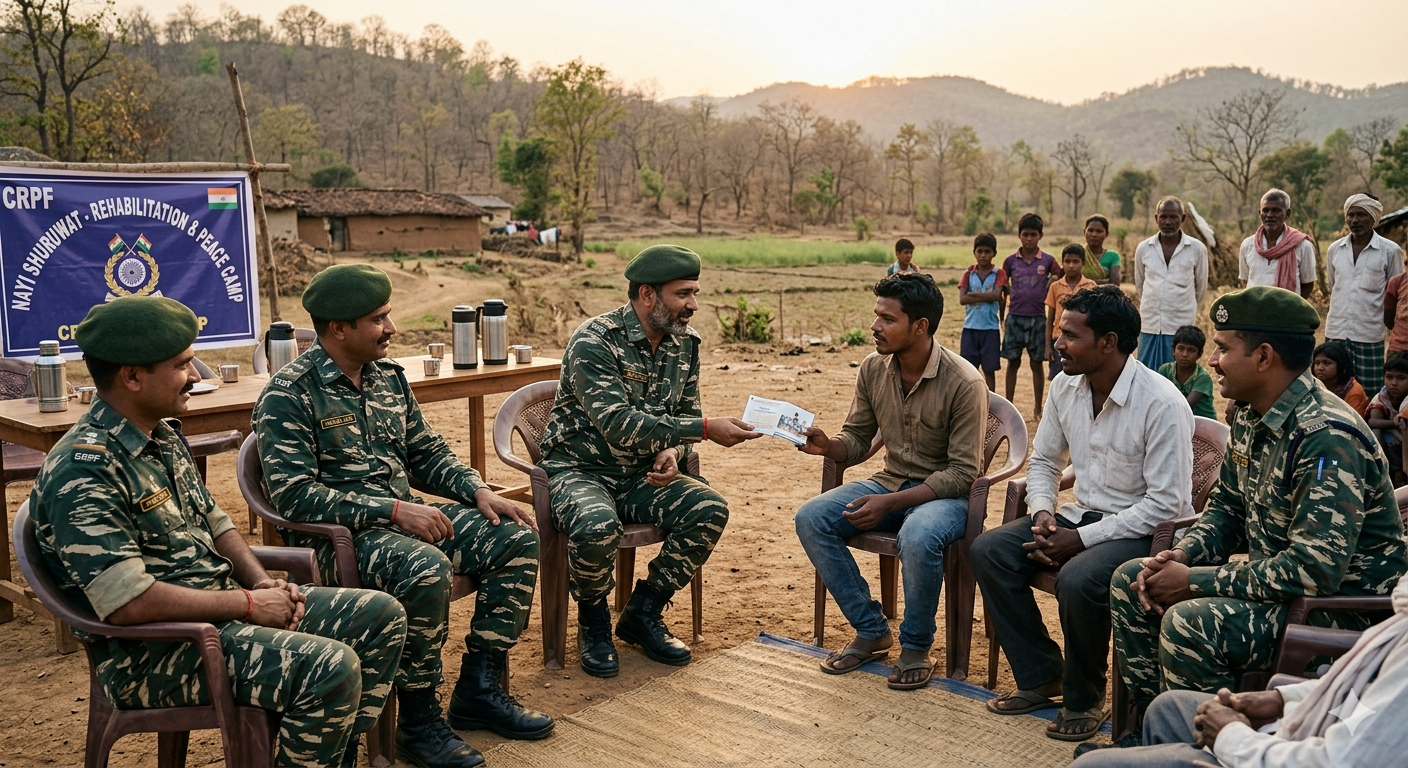
Security agencies, along with state governments, have intensified their coordinated operations in regions historically affected by left-wing extremism. These efforts are not limited to enforcement alone but are complemented by well-structured rehabilitation programs. Individuals who surrender are provided with financial assistance, skill development training, and opportunities for employment, enabling them to rebuild their lives.
Chhattisgarh, Maharashtra, and parts of central India have seen encouraging participation in such initiatives. Local authorities have also emphasized community engagement, ensuring that surrendered individuals are reintegrated smoothly into society without stigma.
Experts believe that this dual approach—firm action against violence combined with humane rehabilitation—has played a critical role in achieving these results. As security conditions improve, there is renewed hope for infrastructure development, education, and economic growth in previously affected regions.
However, officials caution that sustained efforts are necessary to maintain this progress. Continued focus on development, governance, and community trust will be key factors in ensuring long-term peace and preventing the resurgence of extremism.