
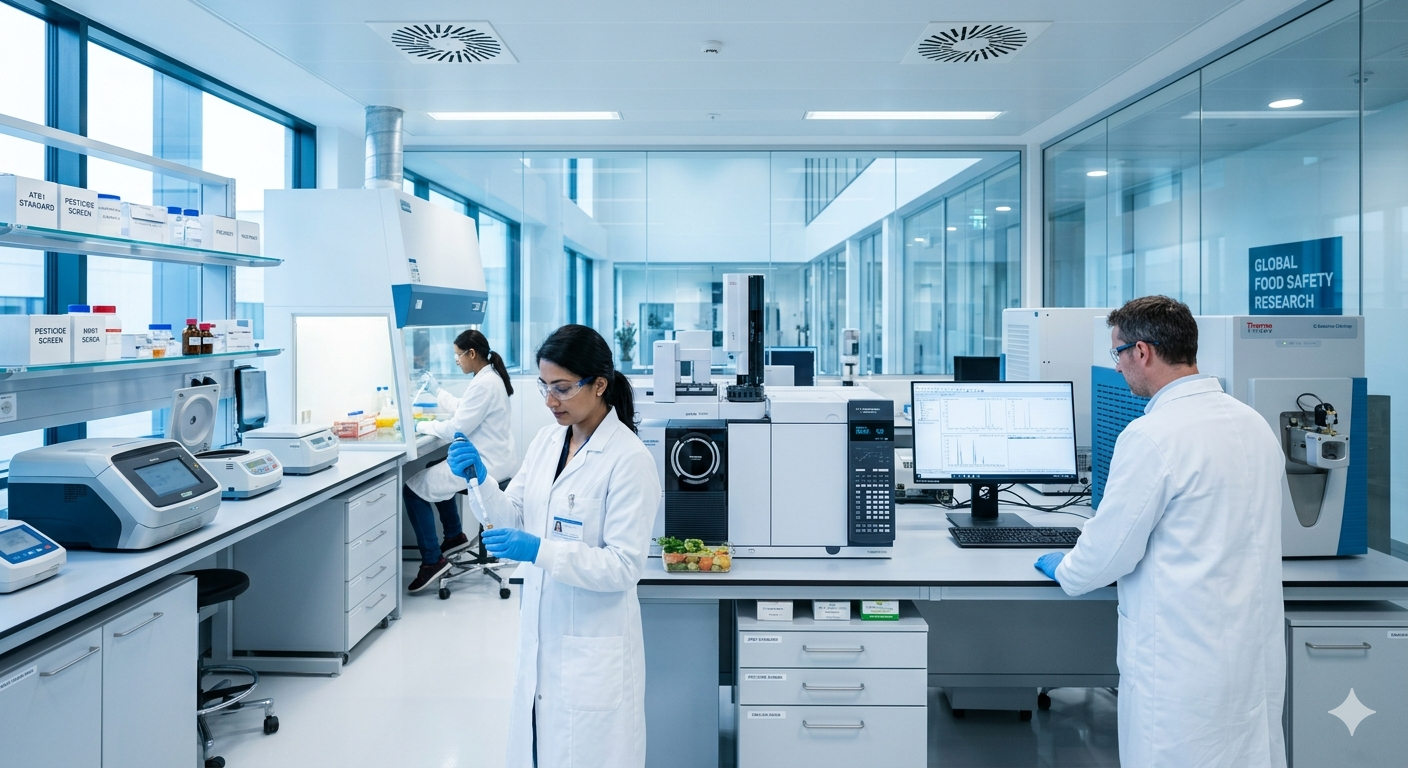
Food safety has emerged as a critical global priority in recent years, with increasing attention on innovation and sustainable practices. In 2026, advancements in food science and technology are playing a significant role in reducing health risks associated with food consumption.
Researchers and industry experts are working on improved food processing techniques, better storage systems, and enhanced monitoring methods. These innovations are helping to minimize contamination risks and ensure that food reaching consumers meets high safety standards.
In addition to health benefits, food safety improvements are contributing to economic efficiency. Reduced food waste, better supply chain management, and increased consumer trust are some of the key advantages being observed globally.
Another important aspect is the integration of technology such as data analytics and smart monitoring systems in food production and distribution. These tools allow for real-time tracking and quicker responses to potential risks.
As the global population continues to grow, ensuring access to safe and nutritious food is becoming increasingly important. Experts suggest that collaboration between governments, private sectors, and research institutions will be essential to maintain progress in this field.