Across India, there has been a noticeable rise in public awareness regarding various government welfare schemes aimed at improving the quality of life for citizens. From financial assistance programs to healthcare and education support, these initiatives are gradually reaching a larger section of the population.
In recent times, both central and state-level schemes have focused on inclusive development, targeting rural communities, women, children, farmers, and economically weaker sections. Increased digital access and awareness campaigns have played a crucial role in bridging the information gap that previously prevented many eligible beneficiaries from availing these schemes.
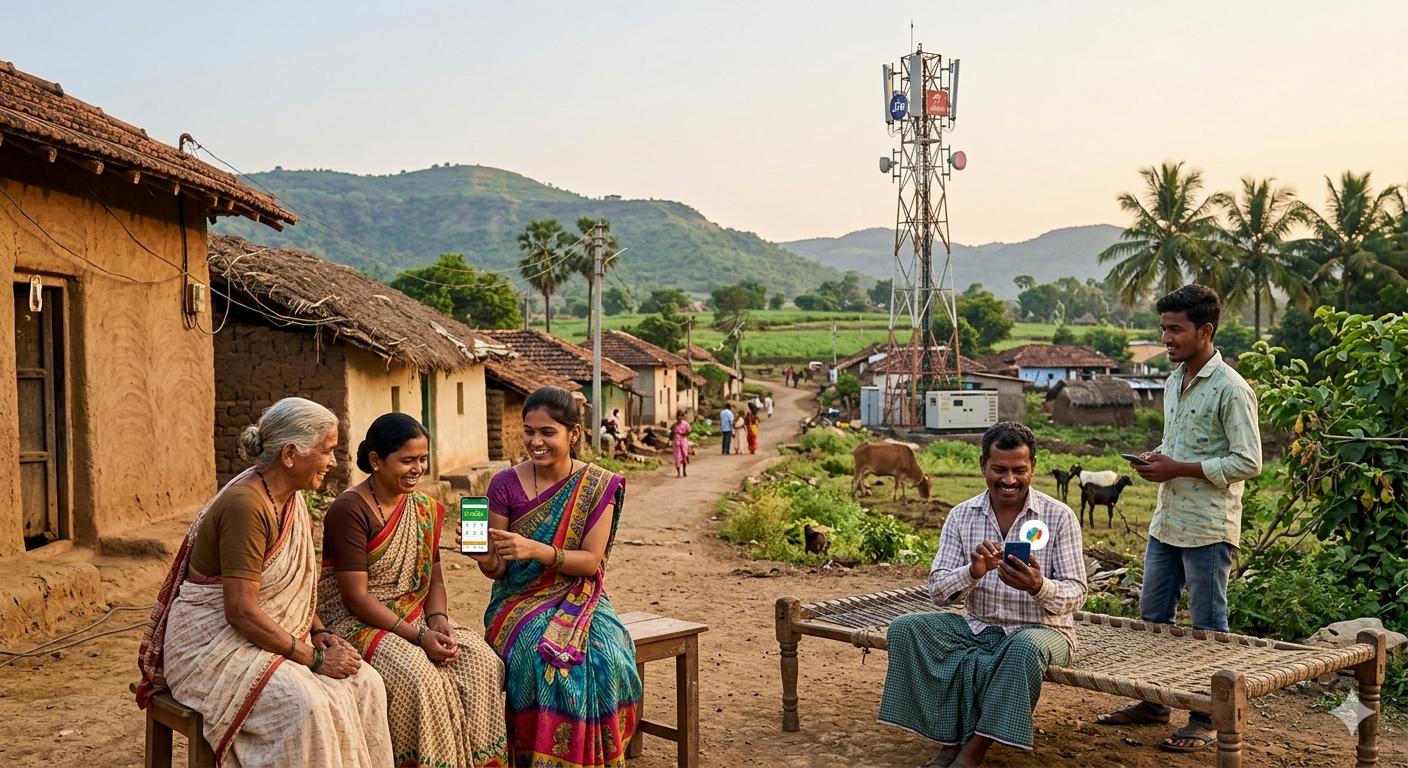
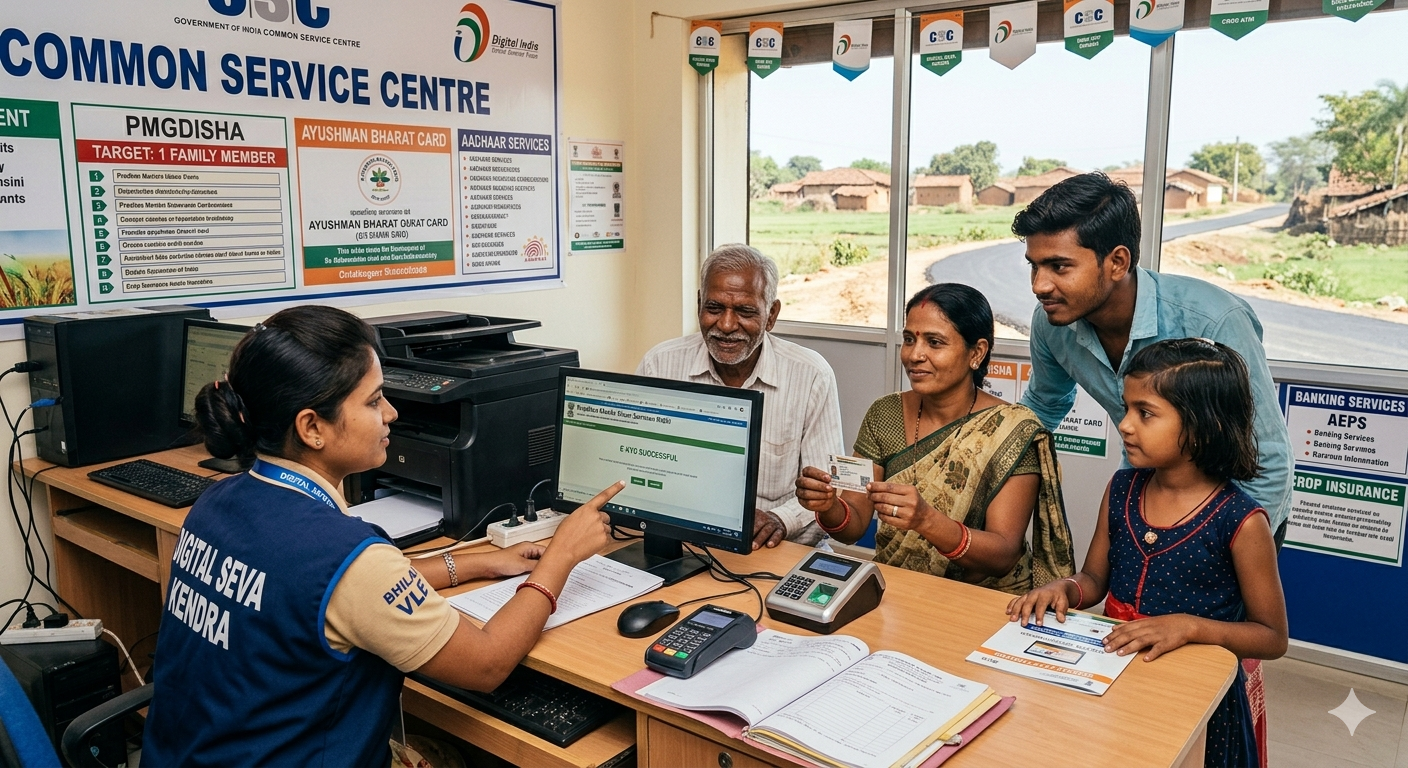
One of the key factors contributing to this increased participation is the digitization of application processes. Online portals, mobile apps, and local service centers are making it easier for individuals to apply for benefits without extensive paperwork. This shift has reduced delays and improved transparency in the system.
Financial inclusion remains a major focus area. Many schemes are designed to provide direct financial assistance, subsidies, or incentives to beneficiaries. These funds are often transferred directly into bank accounts, ensuring efficiency and minimizing leakages. This approach has strengthened trust in public welfare programs.
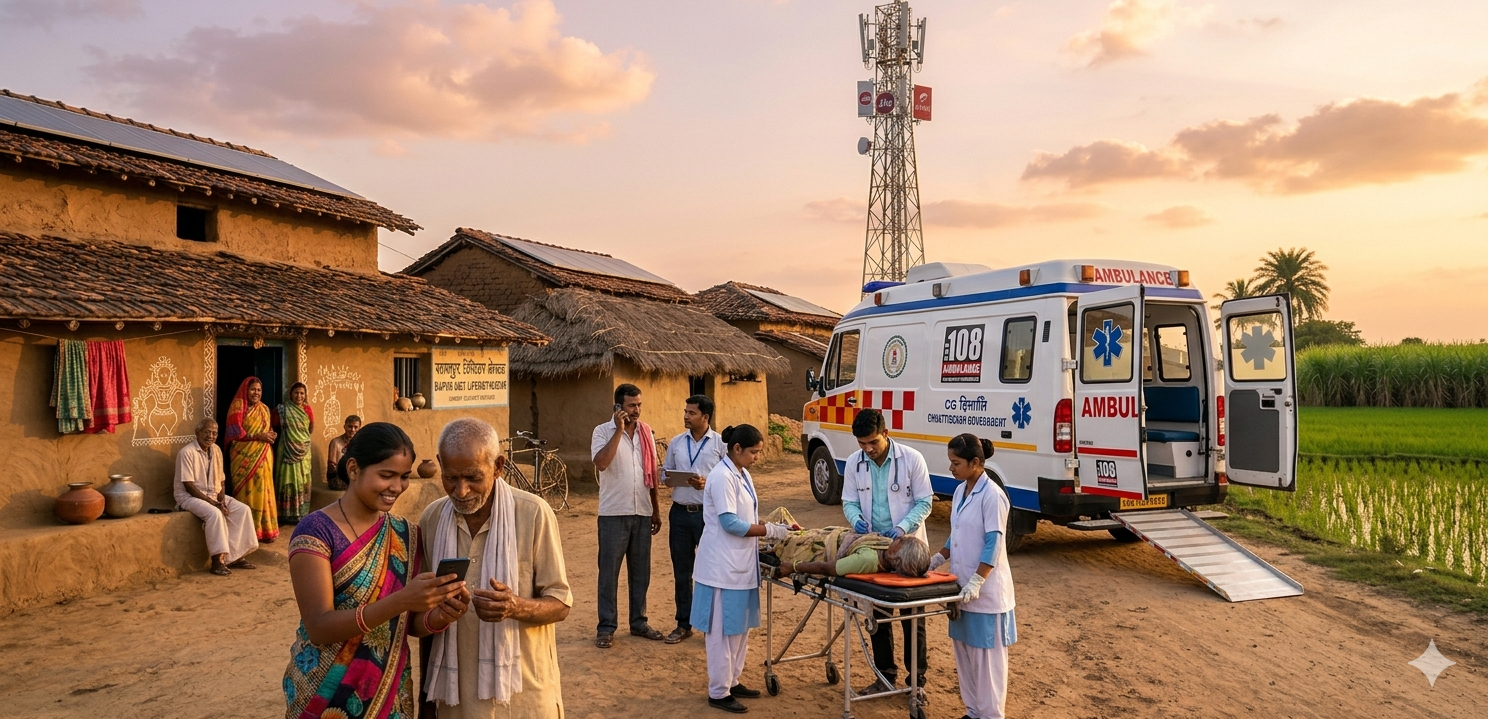
Healthcare-related schemes have also gained attention, particularly those providing support for medical treatments, insurance coverage, and preventive care. Access to affordable healthcare has become a priority, especially in rural and semi-urban regions.
Education support schemes are helping students from underprivileged backgrounds to continue their studies. Scholarships, skill development programs, and digital learning initiatives are enabling young individuals to access better opportunities.
Despite these positive developments, challenges still remain. Lack of awareness in remote areas, digital literacy barriers, and documentation issues can limit the reach of these schemes. Efforts are being made to address these gaps through awareness drives and local support systems.
Community participation is playing an increasingly important role. Local organizations, volunteers, and self-help groups are assisting people in understanding and applying for schemes, thereby increasing overall effectiveness.
Experts believe that sustained efforts in awareness, accessibility, and implementation will further strengthen the impact of government schemes. Continuous monitoring and feedback mechanisms are also essential to ensure that benefits reach the intended population.
Looking ahead, the expansion of digital infrastructure and increased focus on citizen-centric services are expected to enhance the reach and efficiency of these programs.
In conclusion, the growing awareness and participation in government welfare schemes reflect a positive shift toward inclusive development. By ensuring that information reaches every corner of the country, these initiatives have the potential to significantly improve the lives of millions.