Durg, one of the key urban centers of Chhattisgarh, is currently experiencing rapid expansion as population growth, real estate development, and economic activities reshape the district’s landscape. Over the past few years, the region has emerged as a growing hub for residential and commercial development, attracting people from nearby towns and rural areas.
The increasing demand for housing has led to the expansion of new colonies and residential projects. Areas on the outskirts of Durg are witnessing a transformation, with agricultural land gradually being converted into housing and commercial spaces. While this growth is creating opportunities, it is also putting pressure on infrastructure systems that were originally designed for a smaller population.
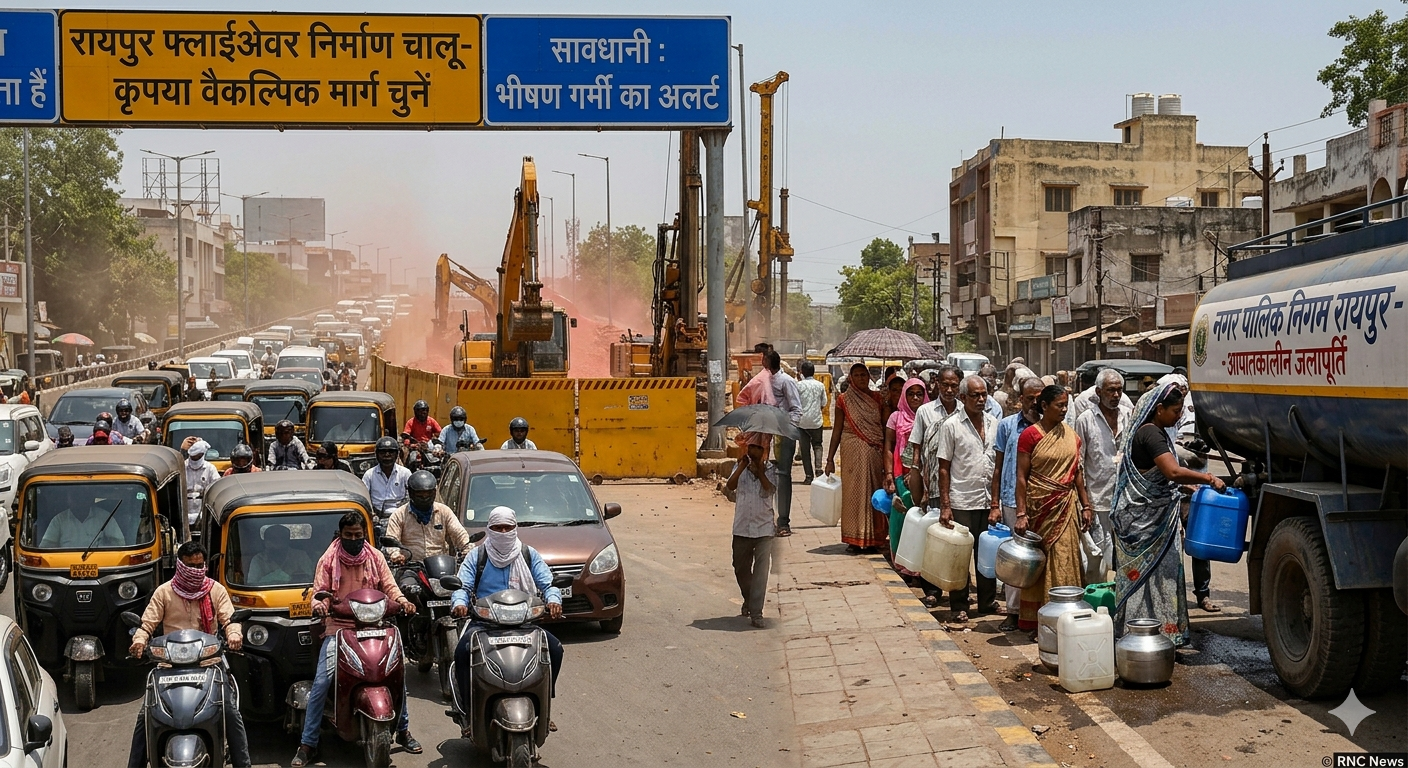
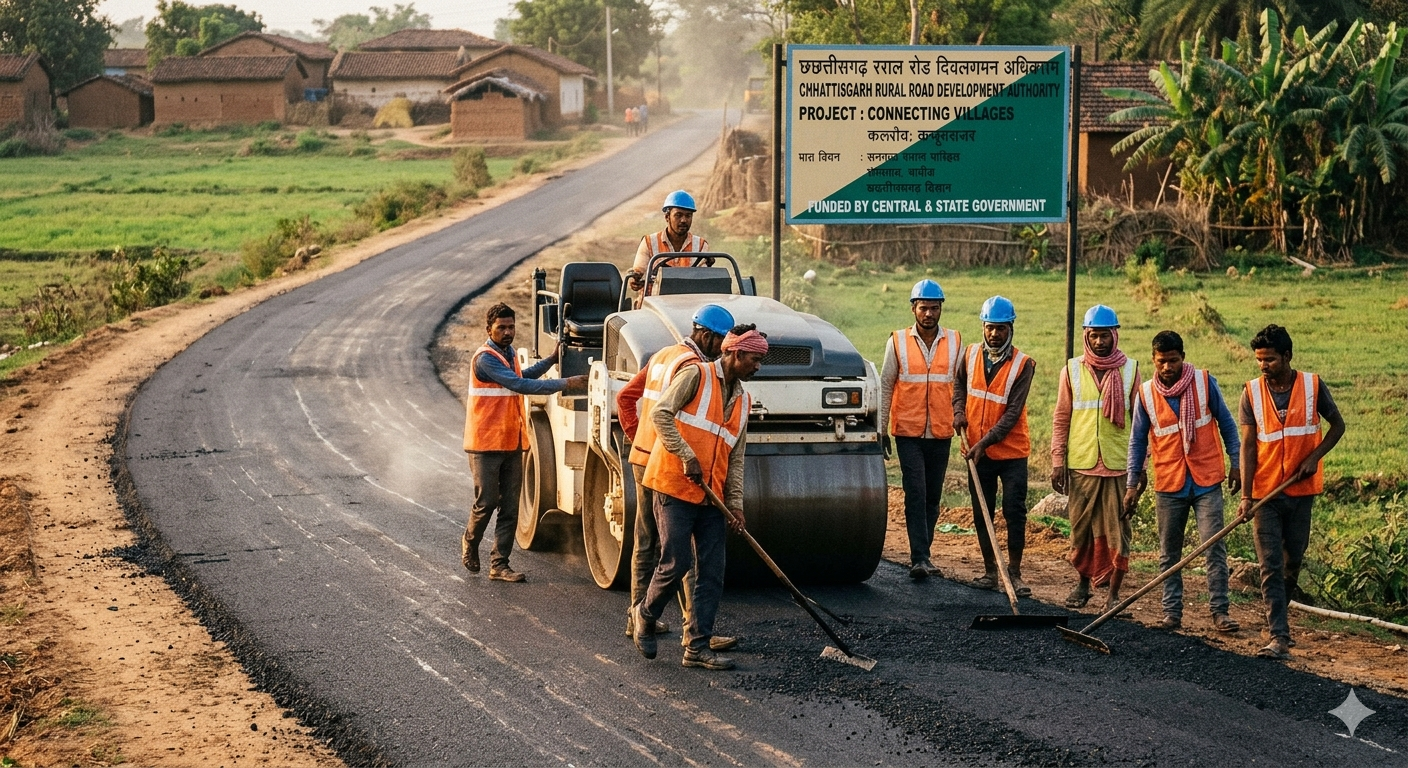
One of the most visible challenges is related to road infrastructure. Several internal roads and connecting routes are experiencing increased traffic load, especially during peak hours. Commuters often face delays due to congestion, ongoing construction work, and limited alternative routes.
Water supply and drainage systems are also under strain in some parts of the district. As new colonies emerge, ensuring consistent access to basic utilities becomes a key challenge for local authorities. Residents in certain areas have reported fluctuations in water availability, particularly during peak demand periods.
Despite these challenges, the economic impact of urban expansion is largely positive. New businesses, retail outlets, and service providers are opening across the district, generating employment opportunities. Local markets are becoming more active, and small enterprises are benefiting from increased consumer demand.
Education and healthcare sectors are also expanding. New schools, coaching centers, and clinics are being established to cater to the growing population. This has improved access to essential services, particularly for families moving into newly developed areas.
However, urban planning remains a crucial factor. Experts emphasize the need for structured development that includes proper road networks, drainage systems, green spaces, and public transport facilities. Without balanced planning, rapid growth may lead to long-term challenges.
Environmental concerns are also being discussed. Reduction in green cover, increased construction activity, and rising pollution levels highlight the need for sustainable development practices.
Looking ahead, Durg has the potential to become a well-developed urban center if growth is managed effectively. With proper planning, infrastructure investment, and community participation, the district can balance development with quality of life.