Raipur, the capital city of Chhattisgarh, is currently witnessing a noticeable shift in daily life patterns as rising temperatures, increasing traffic congestion, and growing water demand begin to impact residents across multiple areas. What appears to be a seasonal change is, in reality, a deeper reflection of rapid urban growth and infrastructure pressure.
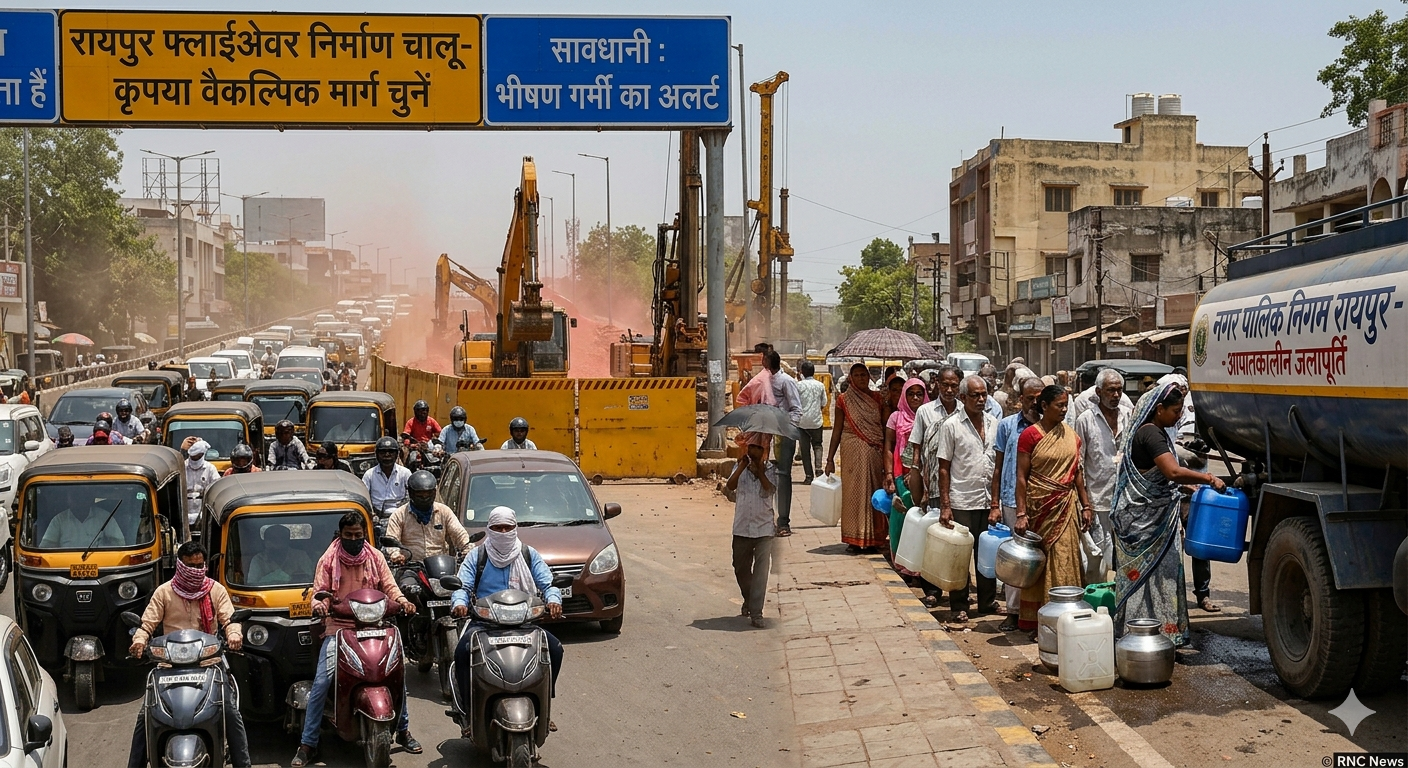
Over the past few weeks, temperatures in Raipur have steadily climbed, with daytime heat becoming more intense. The rising heat has directly influenced water consumption across residential colonies, commercial establishments, and public facilities. In many parts of the city, residents have started noticing irregularities in water supply timing, leading to early morning queues and increased dependence on storage systems.
Areas such as Telibandha, Shankar Nagar, Pandri, and Tatibandh are among those where residents report higher demand and occasional supply disruptions. While municipal authorities continue to monitor the situation, the growing population and expanding urban boundaries are putting additional strain on existing water infrastructure.
At the same time, traffic congestion in Raipur has become a daily concern. With the number of vehicles increasing every year, roads that were once sufficient are now facing heavy pressure. Peak hours during morning office time and evening return hours often see long queues of vehicles across major routes.
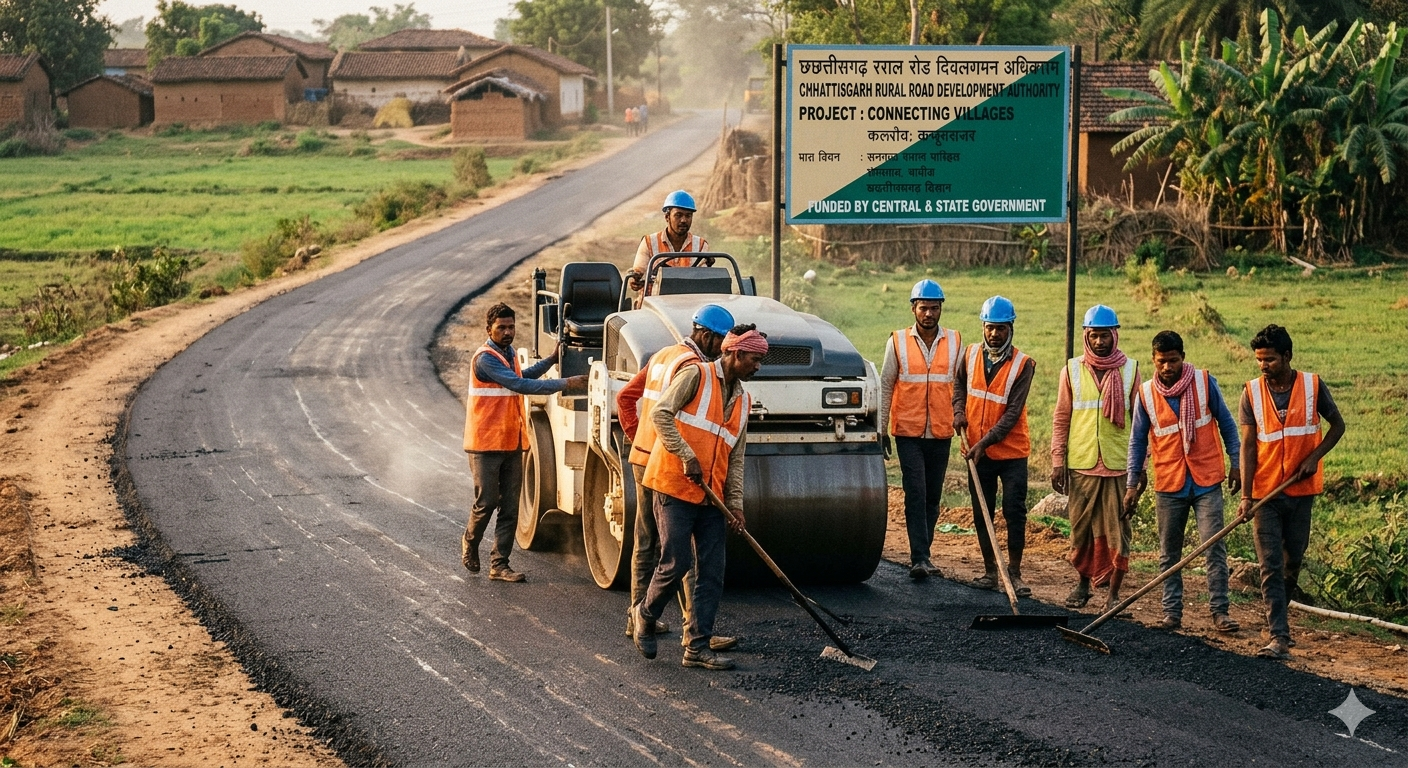
The GE Road corridor, one of the busiest stretches in the city, frequently experiences slow-moving traffic. Similar situations are reported in areas like Devendra Nagar, VIP Road, and near major marketplaces. The situation becomes more challenging due to ongoing construction and road widening projects, which, while necessary for long-term development, create temporary disruptions.
Local commuters express mixed reactions. While many acknowledge the need for infrastructure development, they also highlight the lack of alternative routes and proper traffic management during construction phases. Parking issues further add to the congestion, especially in commercial areas where roadside parking reduces available road space.
The impact of these combined factors—heat, water demand, and traffic—is visible in everyday life. Office-goers are adjusting travel times, students are facing delays, and small businesses are adapting to changing customer patterns. Street vendors and daily wage workers are among the most affected, as extreme heat conditions reduce outdoor activity during peak hours.
Environmental concerns are also becoming more relevant. Increased vehicle usage contributes to rising pollution levels, while higher temperatures highlight the need for better urban planning, including green spaces and heat-resistant infrastructure.
Authorities have initiated several measures to address these challenges. Water management systems are being reviewed, and efforts are being made to ensure fair distribution across areas. Traffic police are implementing diversion plans, improving signal systems, and increasing monitoring at key junctions.
Experts believe that Raipur is at a crucial stage in its urban journey. The city’s growth is inevitable, but the way it is managed will determine the quality of life for its residents. Long-term solutions such as public transport expansion, smart traffic systems, and sustainable water management are essential.
Looking ahead, the situation presents both challenges and opportunities. If managed effectively, Raipur can evolve into a well-planned urban center. However, without proper coordination and planning, the pressure on infrastructure may continue to grow.
For residents, adapting to these changes has become part of daily life. From adjusting routines to finding alternative solutions, the people of Raipur are navigating a city that is rapidly transforming.