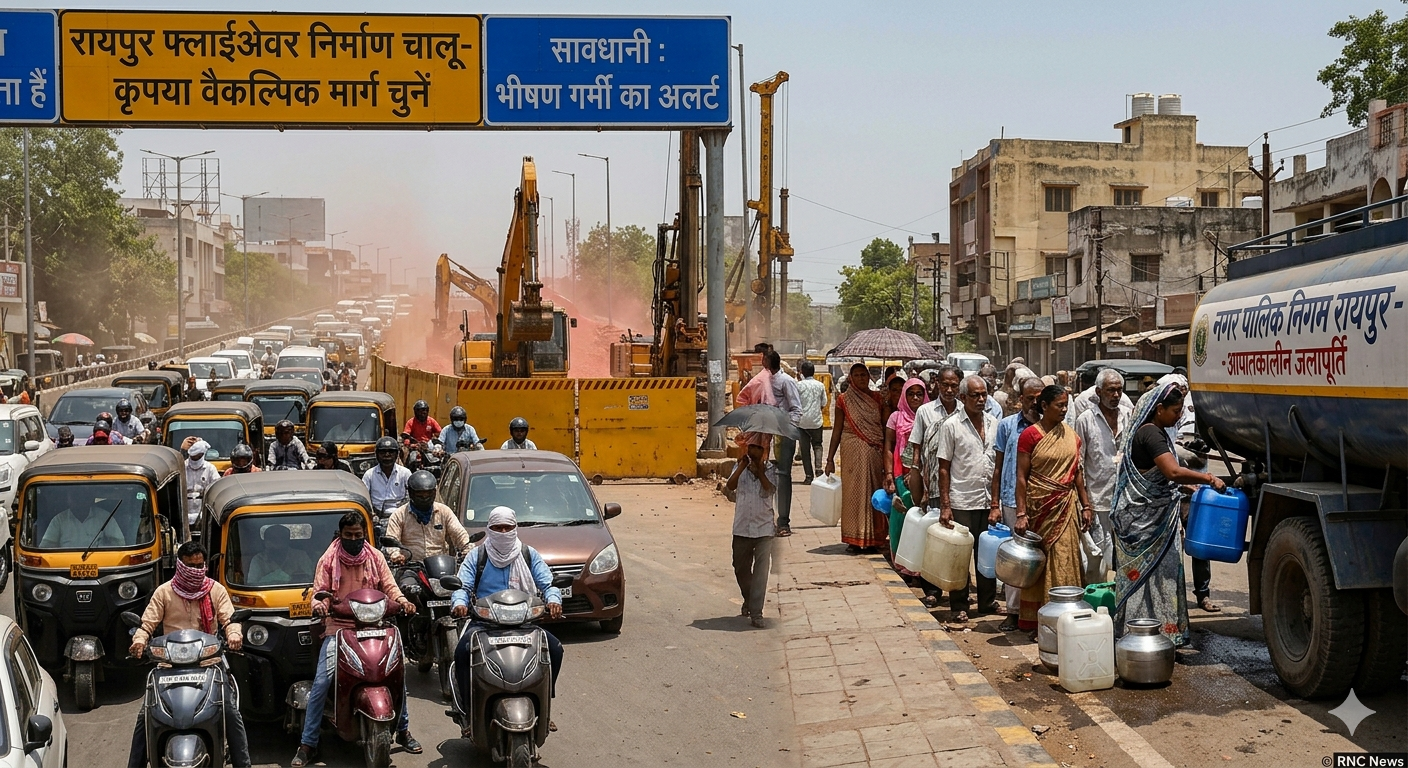
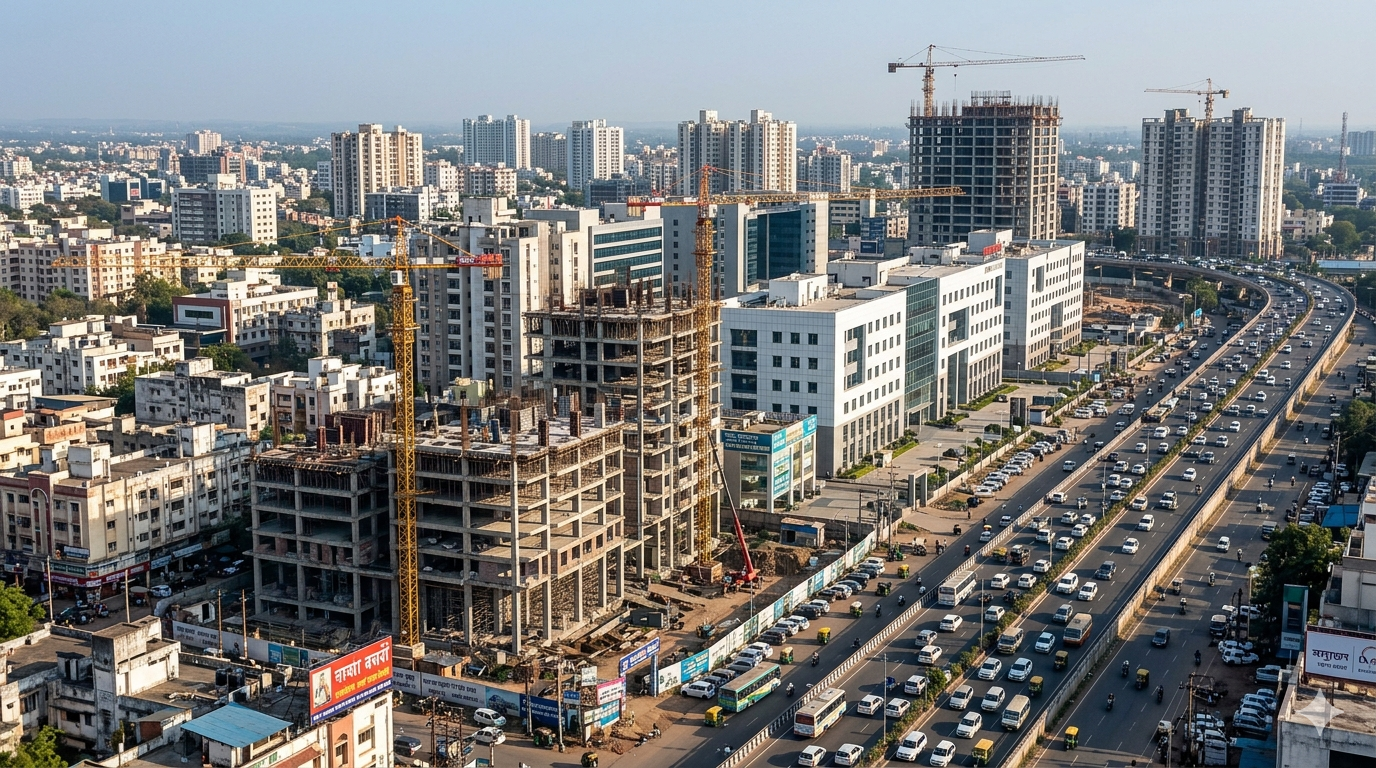
Recent developments in Raipur indicate that the city is undergoing a phase of rapid urban expansion, bringing both opportunities and challenges for its growing population. As the capital of Chhattisgarh continues to develop, increased infrastructure activity, rising population density, and expanding commercial zones are reshaping the city’s overall landscape.
Over the past few years, Raipur has seen a steady increase in construction activities, including residential complexes, commercial hubs, and road infrastructure projects. This expansion is largely driven by migration from nearby towns and rural areas, as people move to the city in search of better employment, education, and lifestyle opportunities.
One of the most noticeable impacts of this growth is on traffic and transportation. With the number of vehicles increasing significantly, several parts of the city are experiencing congestion during peak hours. Busy intersections, market areas, and main roads often witness slow-moving traffic, affecting daily commuters.
While authorities are working on improving road infrastructure and traffic management systems, experts believe that long-term planning is essential. Measures such as better public transportation, smart traffic signals, and improved road design could help address these challenges effectively.
Another important aspect of Raipur’s expansion is the growth of commercial activities. New markets, shopping complexes, and business centers are emerging across the city, contributing to economic development. Small businesses and local entrepreneurs are also benefiting from increased consumer demand.
However, this rapid growth also brings concerns related to environmental sustainability. Increased construction and vehicle usage can lead to higher pollution levels if not managed properly. Experts emphasize the need for green spaces, better waste management, and eco-friendly urban planning.
Residents have shared mixed reactions to these changes. While many welcome the improved infrastructure and economic opportunities, others express concerns about rising living costs, traffic issues, and environmental impact. The need for balanced development is becoming increasingly important.
Healthcare and education sectors are also evolving to meet the needs of a growing population. New hospitals, clinics, and educational institutions are being established, improving access to essential services. Digital services and smart city initiatives are further contributing to modernization.
Looking ahead, Raipur’s growth trajectory appears strong, but sustainable development will be key to ensuring long-term benefits. Authorities are expected to focus on strategic planning, infrastructure upgrades, and citizen-centric policies to manage this expansion effectively.
In conclusion, Raipur stands at a crucial point in its development journey. The ongoing changes present a unique opportunity to transform the city into a modern urban center, but careful planning and execution will determine how successfully these opportunities are realized.